
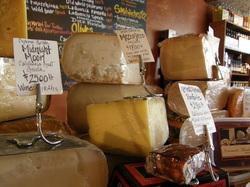
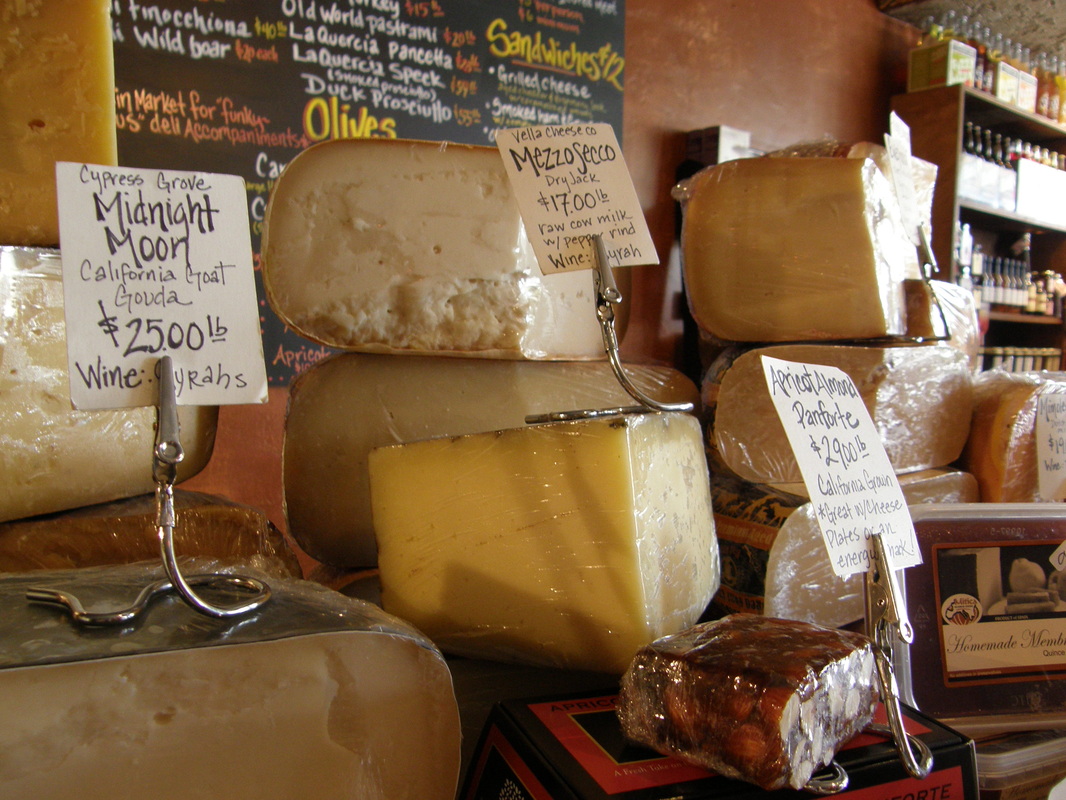
Earlier this week I had the pleasure of "researching" my newest pairing project ... Beer and Cheese! Kelly Briglio and Tina Thayer, owners of Paradise Pantry, took time to sit down with me and explain a little bit about cheese but more importantly they indulged me for two hours while we tasted eleven different cheeses and seven different beers. This series will detail each of those cheeses and the beers that brought a little extra life to them.
At the beginning of each post I will briefly describe the highlighted cheese. Below the cheese description you will find the beer pairing suggestions. Most of the cheeses will have at least two detailed beer pairing suggestions and some will have three! The beer suggestions will include detailed descriptions of each pairing as well as detailed descriptions of the beer.
At the beginning of each post I will briefly describe the highlighted cheese. Below the cheese description you will find the beer pairing suggestions. Most of the cheeses will have at least two detailed beer pairing suggestions and some will have three! The beer suggestions will include detailed descriptions of each pairing as well as detailed descriptions of the beer.
Click image to visit Paradise Pantry.
If you live in or near Ventura, CA be sure to stop in at Paradise Pantry and say hello and buy some cheese especially if these pairings inspired you to try something new be sure to let Kelly and Tina know you read about them here!
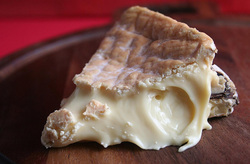
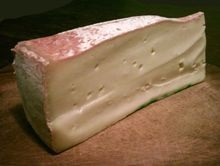
This is a rich, creamy and salty cheese with a great funky tasting rind. Why does the rind taste so good? Because it was washed with a lambic-style beer that was brewed with the farm's very own wild yeast!
The sample I tasted was quite salty and had a pronounced meaty flavor (think bacon). The velvety texture of the cheese coats the inside of your mouth with a lingering aftertaste of salt and bacon. Make sure you take a bite of the rind as that will help balance the truly decadent nature of this cheese.
Paired with: Deschutes Black Butte Porter, Ouroboros Old Bar Brown Ale, Redhook Longhammer IPA,
Other Beer Pairing suggestions: Barleywine (young), Biere de Garde, Doppelbock, Imperial Stouts, Wee Heavy,
My cheese pairing categories: buttery, earthy, pungent
The sample I tasted was quite salty and had a pronounced meaty flavor (think bacon). The velvety texture of the cheese coats the inside of your mouth with a lingering aftertaste of salt and bacon. Make sure you take a bite of the rind as that will help balance the truly decadent nature of this cheese.
Paired with: Deschutes Black Butte Porter, Ouroboros Old Bar Brown Ale, Redhook Longhammer IPA,
Other Beer Pairing suggestions: Barleywine (young), Biere de Garde, Doppelbock, Imperial Stouts, Wee Heavy,
My cheese pairing categories: buttery, earthy, pungent
American IPA
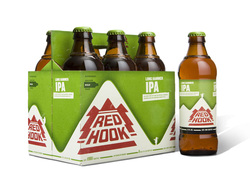
Pairing Description: You can use any American style IPA and still get a great pairing. The Redhook Longhammer IPA is a milder American style IPA with pleasant piney/citrus aromas and citrus hop flavors. The refreshing bitterness balances the cheese's decadent flavors and funky rind. The pronounced hop flavor and bitterness help cleanse the palate.
Other Examples: Two Hearted Ale, 60 Minute IPA, Hop Devil Ale, Raser 5, Titan, Blind Pig
Serving Temp: 40°- 45°
Glassware: Pint Glass, Mug
Aroma: Think citrus (grapefruit), resinous pine, or even tropical fruit. There may be a slight sweetness present from the malt but the hop aromas will most likely cover up those aromas.
Appearance: Colors will vary from medium gold to a reddish copper but they will all be clear unless they have been dry hopped and then there may be a slight haze. Because the malt used has very little dark color the head will be white to off white and should persist.
Flavor: IPA’s are all about the hops (bitterness, flavor and aroma) and so there will be medium to high amount of hop flavor and bitterness that will reflect the American hop citrus qualities (citrusy, floral, resinous, pine). Malt flavor will be low to showcase all the hop characteristics.
Mouthfeel: You can expect a medium body with a pleasing mouth puckering bitterness (think grapefruit) that helps to dry the beer out and creates a thirst quenching, refreshing beer.
Food Pairings: Cheese: Pepper Jack. Meat: Fish, smoked salmon. Cuisine: American, Mexican.
HopHeadSaid: I love IPA’s! They are refreshing when it is hot out and their warming alcohol keeps you warm when it is cold. These beers pair well with many foods especially savory or sweet foods. The bitterness and alcohol help cleanse the palate of savory foods like cheeses or fried foods and the bitterness also helps keep the sweet foods in check. But if you want to spice things up a bit drink an IPA with some spicy salsa. The bitterness momentarily emphasizes the spice but the alcohol helps to refresh the palate just like a tortilla chip.
Pairing Description: You can use any American style IPA and still get a great pairing. The Redhook Longhammer IPA is a milder American style IPA with pleasant piney/citrus aromas and citrus hop flavors. The refreshing bitterness balances the cheese's decadent flavors and funky rind. The pronounced hop flavor and bitterness help cleanse the palate.
Other Examples: Two Hearted Ale, 60 Minute IPA, Hop Devil Ale, Raser 5, Titan, Blind Pig
Serving Temp: 40°- 45°
Glassware: Pint Glass, Mug
Aroma: Think citrus (grapefruit), resinous pine, or even tropical fruit. There may be a slight sweetness present from the malt but the hop aromas will most likely cover up those aromas.
Appearance: Colors will vary from medium gold to a reddish copper but they will all be clear unless they have been dry hopped and then there may be a slight haze. Because the malt used has very little dark color the head will be white to off white and should persist.
Flavor: IPA’s are all about the hops (bitterness, flavor and aroma) and so there will be medium to high amount of hop flavor and bitterness that will reflect the American hop citrus qualities (citrusy, floral, resinous, pine). Malt flavor will be low to showcase all the hop characteristics.
Mouthfeel: You can expect a medium body with a pleasing mouth puckering bitterness (think grapefruit) that helps to dry the beer out and creates a thirst quenching, refreshing beer.
Food Pairings: Cheese: Pepper Jack. Meat: Fish, smoked salmon. Cuisine: American, Mexican.
HopHeadSaid: I love IPA’s! They are refreshing when it is hot out and their warming alcohol keeps you warm when it is cold. These beers pair well with many foods especially savory or sweet foods. The bitterness and alcohol help cleanse the palate of savory foods like cheeses or fried foods and the bitterness also helps keep the sweet foods in check. But if you want to spice things up a bit drink an IPA with some spicy salsa. The bitterness momentarily emphasizes the spice but the alcohol helps to refresh the palate just like a tortilla chip.
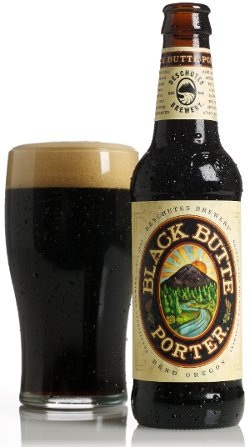
Robust Porter
Pairing Description: This pairing is unique in that the cheese makes the beer taste sweeter. The cheese's pronounced salty bacon flavors accentuate the slightly sweet malt flavors and hide nearly all of the beer's roasty flavors. This is a treat for people who prefer sweeter beers.
If you can't find this beer I suggest you try one or more of these porters instead: Anchor Porter, Sierra Nevada Porter or Great Divide's Saint Bridget’s Porter.
Serving Temp: 50°- 55°
Glassware: Pint Glass, Mug
Aroma: Roasty aroma should be noticeable may be pronounced with coffee and/or chocolate undertones.
Appearance: Pours a dark brown with garnet highlights with a fluffy tan head.
Flavor: Noticeable roasty malt flavors of strong coffee, dark chocolate or slightly burnt toast.
Mouthfeel: Medium-full body that may finish drier because of roasty characters. Warming alcohol feeling may be present.
Food Pairings: Cuisine: barbecue, Mexican. Cheese: earthy. Dessert: chocolate. Meat: beef, smoked meat, grilled meat.
HopHeadSaid: Robust porters are really easy to pair with food. Their roasty notes resonate with grilled foods and their flavor intensities ensure they will hold their own in most pairings. Robust porters also pair well with many desserts. Their roasty flavors help balance sweeter desserts while their dark chocolate/coffee flavors resonate well with chocolate desserts.
Pairing Description: This pairing is unique in that the cheese makes the beer taste sweeter. The cheese's pronounced salty bacon flavors accentuate the slightly sweet malt flavors and hide nearly all of the beer's roasty flavors. This is a treat for people who prefer sweeter beers.
If you can't find this beer I suggest you try one or more of these porters instead: Anchor Porter, Sierra Nevada Porter or Great Divide's Saint Bridget’s Porter.
Serving Temp: 50°- 55°
Glassware: Pint Glass, Mug
Aroma: Roasty aroma should be noticeable may be pronounced with coffee and/or chocolate undertones.
Appearance: Pours a dark brown with garnet highlights with a fluffy tan head.
Flavor: Noticeable roasty malt flavors of strong coffee, dark chocolate or slightly burnt toast.
Mouthfeel: Medium-full body that may finish drier because of roasty characters. Warming alcohol feeling may be present.
Food Pairings: Cuisine: barbecue, Mexican. Cheese: earthy. Dessert: chocolate. Meat: beef, smoked meat, grilled meat.
HopHeadSaid: Robust porters are really easy to pair with food. Their roasty notes resonate with grilled foods and their flavor intensities ensure they will hold their own in most pairings. Robust porters also pair well with many desserts. Their roasty flavors help balance sweeter desserts while their dark chocolate/coffee flavors resonate well with chocolate desserts.
I just found this video, loved it, and I thought would share it with you. It showcases a road trip to see all the Deschutes Brewery label landmarks. Warning: there is a brief, very brief, female nipple shot in this video.
Deschutes Landmarks from Chris Hornbecker on Vimeo.
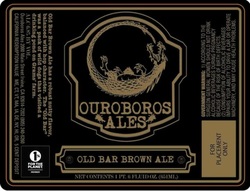
American Brown Ale
Pairing Description: Old Bar Brown Ale is one of the more assertive brown ales I have tried and that is what makes this such a great pairing beer for Winnemere. The funky rind combines with the chocolaty malt to create a incredible flavor that has to be experienced. Imagine a combination of tart sweet fruit (hops and esters) dark chocolate (beer malt) all being enjoyed in some old world horse barn. And all of that is happening in your mouth! Old Bar Brown Ale holds its own in this incredible pairing and ultimately out shines the cheese while it cleanses your palate.
If you cant'f find this particular beer, I suggest you start with Indian Brown Ale from Dogfish Head, Bender from Surly Brewing Co or Moose Drool Brown Ale from Big Sky Brewing Co.
Serving Temp:40°- 45°
Glassware:Pint Glass, Mug
Aroma: Hints of sweet chocolate, caramel with toasted nuts are typical of this style. Some American browns have pronounced hop aromas especially if they are dry hopped.
Appearance: Pours clear brown to dark brown with a light tan head.
Flavor: Pronounced sweet malty flavors reminiscent of caramel and chocolate are balanced by elevated hop flavors and bitterness.
Mouthfeel: Medium-full body that finish fairly dry due to the hops and elevated carbonation levels.
Food Pairings:Cuisine: Barbecue. Cheese: Earthy, Nutty. Meat: beef. Dessert: Chocolate.
HopHeadSaid: I prefer American brown ales over English brown ales because of the elevated hop profiles. The hop profiles help balance the toasted caramely/chocolate sweetness keeping the beer refreshing without limiting the beer’s pairing ability. The assertive hop intensity means the malt flavors have to be increased making it a great pairing beer for grilled foods, assertive cheeses and chocolate desserts.
Pairing Description: Old Bar Brown Ale is one of the more assertive brown ales I have tried and that is what makes this such a great pairing beer for Winnemere. The funky rind combines with the chocolaty malt to create a incredible flavor that has to be experienced. Imagine a combination of tart sweet fruit (hops and esters) dark chocolate (beer malt) all being enjoyed in some old world horse barn. And all of that is happening in your mouth! Old Bar Brown Ale holds its own in this incredible pairing and ultimately out shines the cheese while it cleanses your palate.
If you cant'f find this particular beer, I suggest you start with Indian Brown Ale from Dogfish Head, Bender from Surly Brewing Co or Moose Drool Brown Ale from Big Sky Brewing Co.
Serving Temp:40°- 45°
Glassware:Pint Glass, Mug
Aroma: Hints of sweet chocolate, caramel with toasted nuts are typical of this style. Some American browns have pronounced hop aromas especially if they are dry hopped.
Appearance: Pours clear brown to dark brown with a light tan head.
Flavor: Pronounced sweet malty flavors reminiscent of caramel and chocolate are balanced by elevated hop flavors and bitterness.
Mouthfeel: Medium-full body that finish fairly dry due to the hops and elevated carbonation levels.
Food Pairings:Cuisine: Barbecue. Cheese: Earthy, Nutty. Meat: beef. Dessert: Chocolate.
HopHeadSaid: I prefer American brown ales over English brown ales because of the elevated hop profiles. The hop profiles help balance the toasted caramely/chocolate sweetness keeping the beer refreshing without limiting the beer’s pairing ability. The assertive hop intensity means the malt flavors have to be increased making it a great pairing beer for grilled foods, assertive cheeses and chocolate desserts.
*Photo credits: Photos linked to their source.
Topics: Food Pairing, Beer Pairing, Cheese Pairing, Beer and Food, Beer and Cheese
Topics: Food Pairing, Beer Pairing, Cheese Pairing, Beer and Food, Beer and Cheese



 RSS Feed